

How Texas homeowners find trusted contractors fast

TL;DR:
- Hiring a contractor in Texas requires verifying licenses, insurance, and references to avoid costly mistakes. Using structured bidding platforms and detailed project documentation enhances your chances of selecting qualified professionals. Employing diligent vetting and clear communication ensures a trustworthy, successful home renovation process.
Hiring a contractor in Texas sounds straightforward until you’re juggling five unreturned calls, sorting through suspiciously low bids, and wondering whether that guy who showed up without a license is actually insured. The frustration is real, and the financial stakes are high. A botched renovation or an unlicensed trade job can cost thousands to fix and expose you to serious liability. This guide walks you through every step of the process, from clarifying your project needs and finding qualified pros to verifying credentials and comparing bids confidently. Follow this framework and you’ll avoid the most common traps Texas homeowners fall into.
Table of Contents
- Understanding what you need before searching for contractors
- Where to find reliable Texas contractors: Online platforms and beyond
- How to vet contractors: Checking licenses, insurance, and references
- Common red flags and mistakes to avoid when hiring Texas contractors
- Maximizing your results: How to evaluate bids and select the right contractor
- What most guides miss about finding contractors in Texas
- Find and connect with vetted contractors quickly using BidWolf
- Frequently asked questions
Key Takeaways
| Point | Details |
|---|---|
| Clarify project scope | Starting with clear goals and budgets helps target the right contractors and minimize misunderstandings. |
| Vet credentials thoroughly | Always verify licensing, insurance, and references to prevent legal or financial headaches. |
| Use proven platforms | Online bidding platforms and verified review sites streamline finding trustworthy pros in Texas. |
| Watch for warning signs | Avoid contractors who skip permits, demand full payment up front, or lack insurance. |
| Compare bids smartly | Evaluate bids for both cost and quality to confidently choose the best professional. |
Understanding what you need before searching for contractors
Before you search for a single contractor, you need to know exactly what you’re asking for. Vague project descriptions produce vague bids, and vague bids lead to disputes over scope, cost, and timelines. Starting with clarity saves you time and protects your budget from the beginning.
Common home projects and the trades they require
Different projects call for different licensed professionals. Here’s a quick breakdown:
- Bathroom remodel: Plumber, tile installer, electrician (for fixtures and GFCI outlets), and possibly a general contractor to coordinate
- Roof replacement: Licensed roofing contractor with storm damage experience
- Electrical panel upgrade: Licensed master electrician
- HVAC replacement: HVAC technician licensed through the Texas Department of Licensing and Regulation (TDLR)
- Kitchen remodel: General contractor, plumber, electrician, and cabinet installer
- Landscaping and hardscaping: Landscape contractor, irrigation specialist
- Foundation repair: Structural engineer evaluation followed by a licensed foundation repair company
Knowing which trades your project requires helps you filter candidates early and avoid hiring a general contractor when you actually need a licensed specialist.
Documenting your project scope
Write down your project goals before you reach out to anyone. Include the dimensions of the space, the materials you prefer, your target start date, and your maximum budget. This document becomes your project brief, and sharing it with every contractor ensures you receive comparable, apples-to-apples bids. Use this homeowner’s checklist to make sure you haven’t missed anything critical before posting your project.
Budget and timeline benchmarks
| Project type | Average cost range (Texas) | Typical duration |
|---|---|---|
| Bathroom remodel (mid-range) | $8,000 to $18,000 | 2 to 4 weeks |
| Roof replacement (2,000 sq ft) | $7,500 to $14,000 | 2 to 5 days |
| Kitchen remodel (mid-range) | $20,000 to $45,000 | 4 to 8 weeks |
| HVAC replacement | $5,000 to $12,000 | 1 to 2 days |
| Foundation repair | $3,500 to $10,000 | 3 to 7 days |
These ranges give you a realistic baseline. If a bid comes in drastically below these figures, that’s a signal worth investigating closely.
Initial requirements to confirm before posting your project
As a starting point, Texas homeowners must verify that any contractor they hire carries local licenses, general liability insurance, workers’ compensation coverage, and a valid business registration with the Texas Secretary of State. Make these your baseline requirements before you even review a bid.
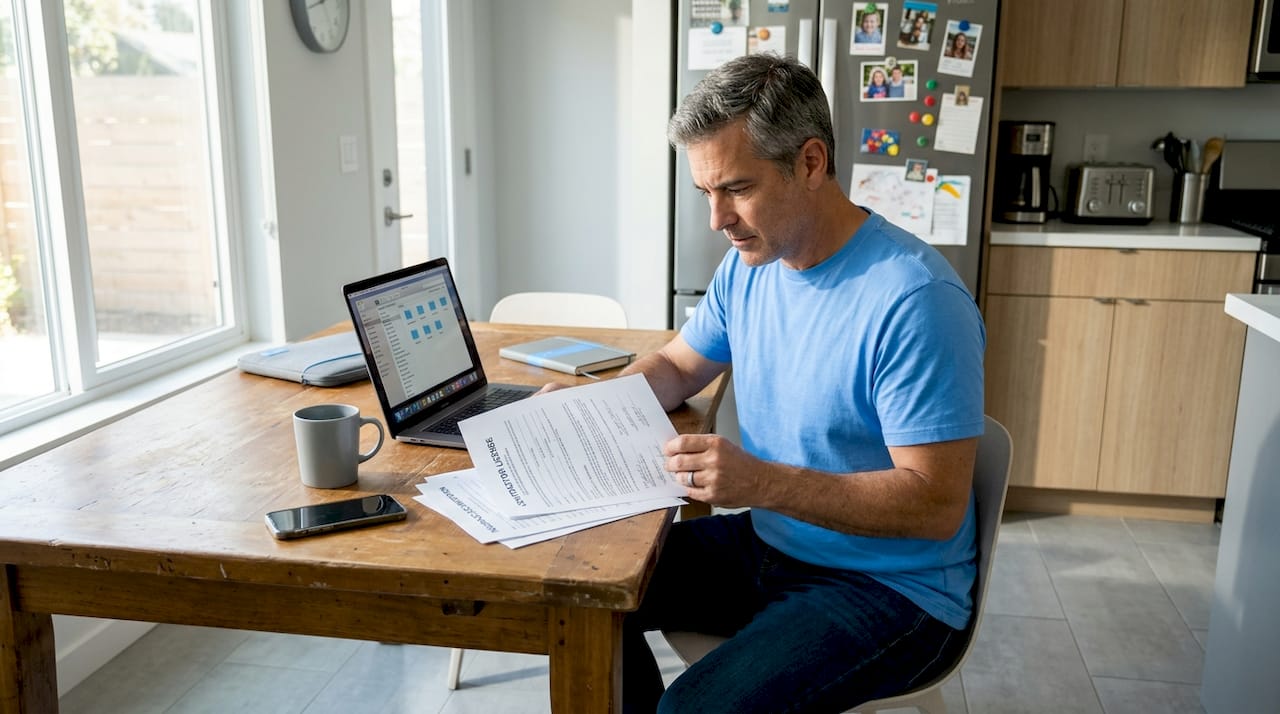
Pro Tip: Ask each contractor to email you copies of their insurance certificates and license numbers before scheduling a walkthrough. Any professional who hesitates to share these documents is not worth your time.
Once you’ve defined your project, the next step is knowing where to start your contractor search.
Where to find reliable Texas contractors: Online platforms and beyond
You have more options for finding contractors than ever before, but not all sources deliver equal quality. Understanding the differences between platforms helps you spend your time wisely and avoid chasing unqualified leads.
Online platforms: The most efficient starting point
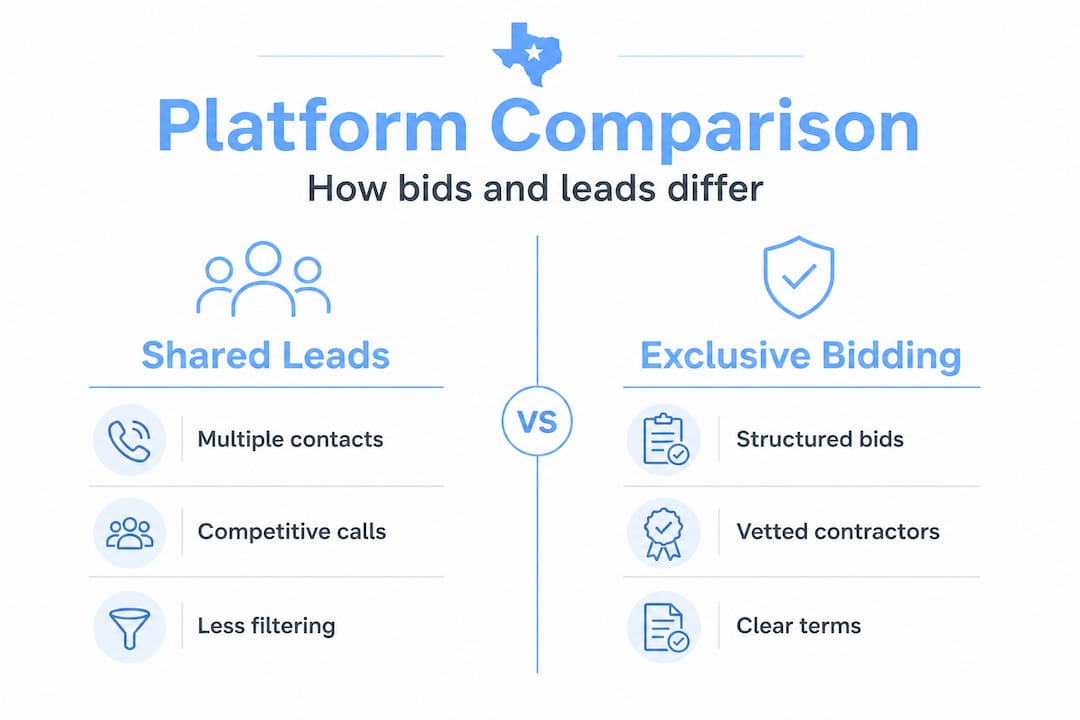
Online platforms fall into two main categories: shared lead platforms and exclusive bidding platforms. The distinction matters more than most homeowners realize.
Shared lead platforms sell the same homeowner’s contact information to multiple contractors simultaneously. This means you get flooded with calls, while contractors compete on price alone and often rush to be first rather than best. Established platforms like Angi and Houzz provide verified reviews but come with shared leads that dilute quality. Supplementing your search with Google Local Services Ads (LSA) can improve exclusivity and lead conversion rates.
Exclusive bidding platforms work differently. You post your project once, and vetted contractors submit structured bids directly to you. You control the process. You compare bids at your own pace. You message contractors through a secure channel before committing to anything. This model reduces pressure, improves bid quality, and puts the selection power firmly in your hands. Learn more about how these tools work in our contractor marketplaces guide for Texas homeowners.
Offline sources worth using
Don’t overlook word-of-mouth referrals. Ask neighbors, coworkers, or family members who recently completed similar projects for contractor names. A direct referral from someone you trust carries real weight. Local hardware stores, building supply yards, and HOA community boards are also surprisingly good sources for contractor recommendations in Texas communities.
Platform comparison at a glance
| Platform | Lead type | Verified reviews | Bid structure | Best for |
|---|---|---|---|---|
| Angi (formerly Angie’s List) | Shared | Yes | No formal bids | Quick contractor discovery |
| Houzz | Shared | Yes | No formal bids | Design-focused projects |
| Thumbtack | Shared | Yes | Quote requests | Small to mid-size jobs |
| Google LSA | Exclusive | Yes (Google Guaranteed) | No formal bids | High-intent local searches |
| BidWolf | Exclusive | Yes (vetted) | Structured bids | Full renovation projects |
Key strengths and limitations to keep in mind
- Angi and Houzz have large contractor databases, but you may receive unsolicited calls from contractors who purchased your lead
- Thumbtack is useful for smaller jobs where formal bidding is unnecessary
- Google LSA works well for urgent repairs but doesn’t give you a structured way to compare multiple bids
- Bidding platforms like BidWolf let you evaluate offers side by side without pressure
Understanding the bidding platform benefits specific to Texas homeowners helps you decide which model fits your project timeline and complexity.
Pro Tip: Post your project on one exclusive bidding platform before trying shared lead sites. If you get three or more strong bids within 48 hours, you may not need to go anywhere else.
Now that you’ve identified sources, let’s break down the actual process of vetting and filtering potential contractors.
How to vet contractors: Checking licenses, insurance, and references
Receiving a bid is not the same as qualifying a contractor. This is where many homeowners skip steps and end up paying for it later. Thorough credential verification takes less than an hour and can save you from months of headaches.
Step-by-step contractor vetting process
-
Request license numbers upfront. Ask every contractor you consider to provide their license number before the site visit. For specialized trades, verify TDLR licenses using the official search tool at the Texas Department of Licensing and Regulation website. For general contractors, contact your city or county building department to confirm local registration requirements.
-
Verify insurance certificates directly. Don’t just accept a copy of an insurance certificate. Call the insurance company listed on the certificate and confirm the policy is active and covers your project type. Ask specifically for general liability coverage and workers’ compensation.
-
Check Texas Secretary of State registration. Business registration verification with the Texas Secretary of State confirms the company is a legitimate operating entity. An unregistered business has no legal accountability structure if something goes wrong on your property.
-
Request at least three references. Ask for references from projects completed in the last 12 months, preferably similar in scope to yours. Call each reference and ask specific questions about timelines, communication, workmanship quality, and whether the final cost matched the original bid.
-
Search online reviews independently. Don’t rely solely on reviews the contractor shares with you. Search Google, the Better Business Bureau, and Yelp independently. Look for patterns in complaints, not just star ratings.
-
Confirm permit history. Ask whether your project requires permits and whether the contractor will pull them. Contractors who handle permits properly are operating transparently and within local code requirements.
License and insurance requirements at a glance
| Credential | Where to verify | Why it matters |
|---|---|---|
| TDLR trade license (HVAC, plumbing, electrical) | tdlr.texas.gov/LicenseSearch | Confirms legal authority to perform trade work |
| General liability insurance | Call the insurer directly | Covers property damage during the job |
| Workers’ compensation insurance | Call the insurer directly | Protects you if a worker is injured on your property |
| Texas SOS business registration | sos.state.tx.us | Confirms legitimate business standing |
| Local contractor registration | City or county building dept. | Varies by municipality in Texas |
Warning: Never hire a contractor who cannot provide current, verifiable proof of license and insurance before work begins. If they can’t show credentials, they can’t work on your home. No exceptions. This step is your single strongest protection against fraud, unfinished work, and legal liability.
Read more about protecting yourself throughout the hiring process in our guide to secure contractor hiring in Texas.
After vetting credentials, it’s just as important to spot warning signs and avoid costly mistakes.
Common red flags and mistakes to avoid when hiring Texas contractors
Even experienced homeowners get burned by contractors who know how to present well but deliver poorly. Recognizing warning signs early keeps your project on track and your money safe.
Key red flags to watch for
According to industry research, common contractor red flags include no proof of insurance, demands for full upfront payment, skipping permits, poor communication, and suspiciously low bids. Here’s what each of these looks like in practice:
- No insurance proof: A contractor who says they’re insured but can’t produce a current certificate is a liability risk. If a worker gets hurt on your property without workers’ comp coverage, you could be held responsible.
- Demands full upfront payment: Legitimate contractors typically request a deposit of 10 to 30 percent to cover materials, with the balance due at milestones or completion. Anyone asking for 50 percent or more upfront before work begins is a financial risk.
- Skipping permits: Unpermitted work can fail a home inspection when you sell, trigger fines from your city or county, and create safety hazards. If a contractor says permits aren’t necessary for a job that clearly requires them, walk away.
- Poor communication: If a contractor is hard to reach before the contract is signed, they’ll be even harder to reach once they have your deposit. Response time during the bidding phase is a reliable preview of their communication on the job.
- Lowball bids: A bid that’s significantly lower than every other one you’ve received usually means one of three things: lower quality materials, cutting corners on labor, or missing scope items that will resurface as expensive change orders later. Use our guide to comparing contractor bids to understand what a fair bid actually looks like.
Additional mistakes homeowners commonly make
- Hiring based on price alone without reviewing the full scope of work
- Skipping a written contract and relying on verbal agreements
- Paying too much too soon before milestones are reached
- Failing to establish clear communication channels before the project starts
Learn more about maintaining productive working relationships in our contractor communication tips resource.
Remember: A contractor who checks every credential box but communicates poorly is still a problem waiting to happen. Professionalism in communication reflects professionalism on the job site.
Pro Tip: Search your contractor’s business name combined with the words “complaint,” “lawsuit,” or “BBB” on Google before signing anything. This two-minute search has saved homeowners from thousands of dollars in losses.
With the best practices and red flags covered, let’s look at what differentiates an efficient contractor search, not just safety, but results.
Maximizing your results: How to evaluate bids and select the right contractor
Once you have two or more qualified bids in hand, the real evaluation begins. Price is one factor, but it’s rarely the most important one. The goal is to find the best overall value, which means weighing cost, scope, timeline, and contractor reliability together.
How to organize and compare bids systematically
-
Create a comparison sheet. List each contractor’s name, total bid amount, itemized cost breakdown, proposed start and end dates, materials specified, and warranty terms. This makes side-by-side comparison straightforward and prevents you from comparing incomplete bids against complete ones.
-
Verify scope alignment. Make sure every bid covers the same work. If one bid is noticeably lower, check whether it excludes items the other bids include, such as demolition, disposal, permits, or finish work. An incomplete bid is not a cheaper bid.
-
Review material specifications. One contractor may use standard-grade materials while another uses premium-grade. Ask for written specifications on all major materials so you know exactly what you’re paying for.
-
Assess timeline realism. A contractor who promises an unusually fast completion may be planning to rush or run multiple jobs simultaneously. Ask specifically how many other active projects they have and how many crew members will work on yours daily.
-
Evaluate responsiveness during the bidding phase. How quickly did they respond to your project post? Did they ask detailed clarifying questions? Did they show up on time for the walkthrough? These behaviors predict how they’ll manage your actual project.
What winning bids have in common
The strongest bids you’ll receive will share a few characteristics. They arrive within 24 to 48 hours of your project post. They include a detailed, itemized breakdown rather than a single lump sum. They reference your specific project details, proving the contractor actually read your brief. And they include references, license numbers, and insurance information proactively, before you ask.
Visit our bid comparison guide for a detailed walkthrough, and browse winning bid examples to understand what a high-quality bid looks like across different project types.
Bid evaluation comparison
| Evaluation factor | Strong bid | Weak bid |
|---|---|---|
| Cost breakdown | Fully itemized | Lump sum only |
| Materials specified | Brand and grade listed | Vague or unspecified |
| Timeline | Realistic with milestones | Unusually fast or no schedule |
| Credentials included | License and insurance attached | Not provided |
| Responsiveness | Within 24 hours | Days later or vague |
| References | Included proactively | Not offered |
Use this framework consistently across all your bids and the right choice will become clear. The contractor who delivers a thorough, transparent, well-documented bid is usually the one who will manage your project the same way.
What most guides miss about finding contractors in Texas
Most contractor hiring guides give you a generic checklist that could apply to any state in the country. Texas is different. The market here is large, fragmented, and governed by a patchwork of local licensing requirements that vary by city and county. What’s required in Houston is not always required in Austin, and the rules in San Antonio don’t necessarily apply in smaller municipalities like Waco or Lubbock.
Standard advice also ignores the shared lead problem entirely. When guides recommend platforms like Angi or Thumbtack without explaining how those platforms monetize your contact information, they set you up for an overwhelming and often frustrating experience. You post your project once and suddenly five contractors are calling you before you’ve had coffee. That’s not a better contractor search. That’s a lead auction where the most aggressive caller wins, not the most qualified one.
The smarter approach is to work with platforms built around Texas home renovations that prioritize transparency and structure. When contractors submit formal, itemized bids rather than racing to call you first, the selection process becomes about quality, not speed. You evaluate bids on your timeline, not theirs.
There’s another insight worth sharing. Homeowners who invest 30 minutes defining their project scope before posting it consistently receive better bids than homeowners who post vague descriptions. Contractors who see a well-documented project brief know the homeowner is serious, prepared, and worth their time. That filters out low-effort contractors naturally.
The Texas contractor market rewards prepared homeowners. The more clearly you communicate what you need, the better the professionals you’ll attract. And when you use a platform designed to verify credentials, manage communications, and structure bidding, you shift the entire dynamic in your favor.
Find and connect with vetted contractors quickly using BidWolf
You now have a clear framework for finding, vetting, and selecting contractors for your Texas home project. The challenge is putting all of this into practice efficiently without spending hours chasing down credentials and phone calls.
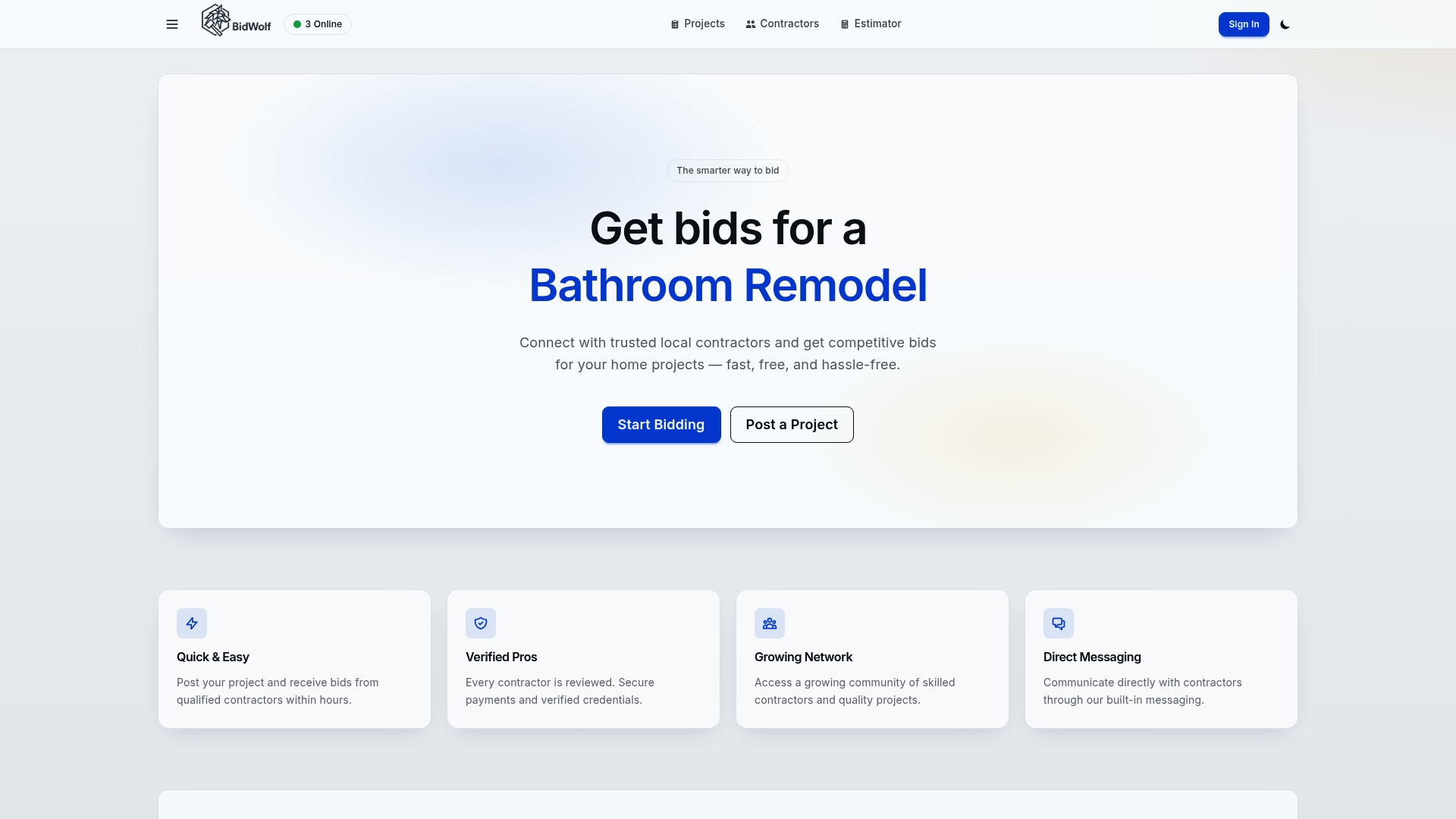
BidWolf simplifies every step of this process in one place. Through the BidWolf contractor directory, you can browse license-verified, insured professionals across Texas cities without starting from scratch. When you’re ready, post your project and receive structured, competitive bids from qualified contractors who have already been vetted for credentials and professional standing. Built-in messaging keeps all communication organized and on record. Secure payment tools protect your investment at every milestone. Whether you’re planning a bathroom remodel, a roof replacement, or a full kitchen renovation, BidWolf gives you the transparency and efficiency to hire with confidence.
Frequently asked questions
What are the top credentials Texas contractors must show?
Texas contractors should provide proof of local licenses, general liability insurance, workers’ compensation, and business registration with the Texas Secretary of State. These four items are your baseline verification requirements before signing any contract.
How can I verify a contractor’s license for trades in Texas?
Use the Texas Department of Licensing and Regulation to verify TDLR trade licenses online through their official license search tool. For general contractors, contact your local city or county building department to confirm applicable registration requirements.
What common warning signs signal a risky contractor?
Watch for contractors with red flags like missing insurance documentation, requests for full payment upfront, plans to skip required permits, slow or unclear communication, and bids that are far below market rates for your area.
Are online platforms trustworthy for finding Texas contractors?
Platforms like Angi and Houzz provide verified reviews and are reliable starting points, but their shared lead model means multiple contractors receive your information at once. Supplementing with Google LSA or an exclusive bidding platform like BidWolf improves bid quality and reduces unwanted contact.
How do I efficiently compare bids from multiple contractors?
Build a side-by-side comparison sheet that organizes each bid by total cost, itemized breakdown, materials specified, proposed timeline, and warranty terms. Focus on scope alignment first, then price, to identify the bid that delivers the best overall value rather than just the lowest number.
Recommended
- Texas homeowner’s checklist: smart tips for choosing contractors | BidWolf Blog
- Your guide to hiring contractors securely in Texas | BidWolf Blog
- Contractor marketplaces: a complete guide for Texas homeowners | BidWolf Blog
- Contractor marketing strategies that attract Texas homeowners | BidWolf Blog