
Why Use Vetted Professionals for Home Projects

TL;DR:
- Vetted professionals are independently screened tradespeople who have verified licenses, insurance, and work history. Using vetted contractors reduces project failures, safety risks, and costly rework, ensuring reliable results. Bidwolf connects homeowners with pre-screened local contractors through a secure platform for confident hiring.
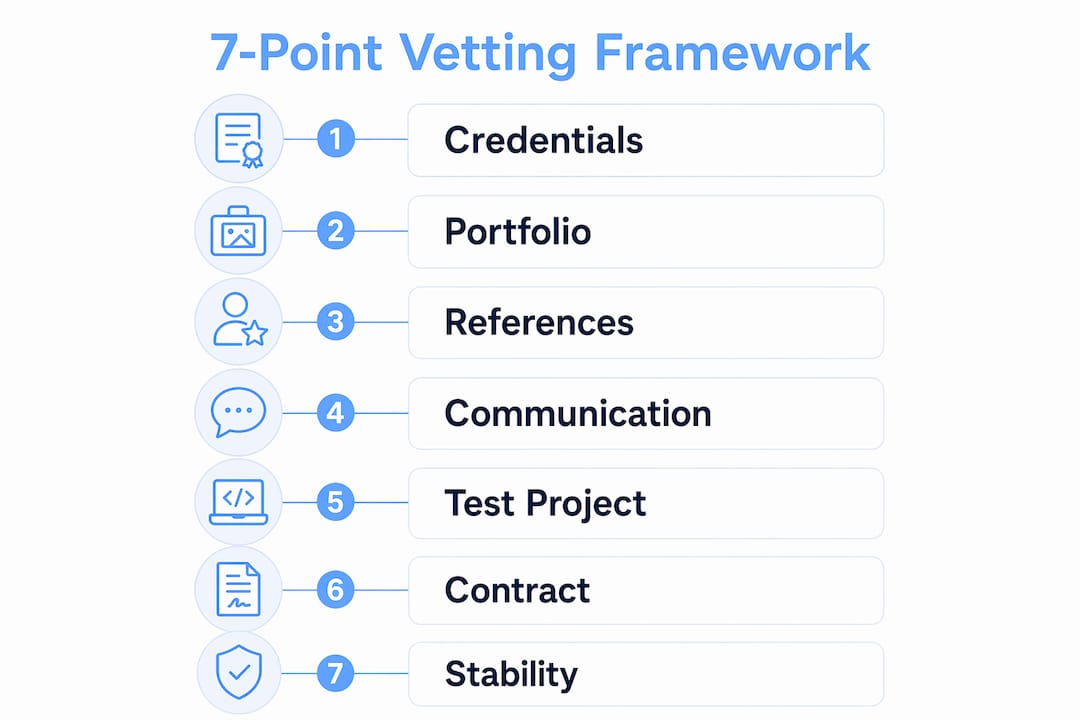
A vetted professional is a tradesperson who has been independently screened for valid licenses, insurance, work history, and references before being hired for any home project. Knowing why use vetted professionals matters is the first step toward protecting your home, your budget, and your safety. Vetting reduces predictable failure points before they escalate into costly rework or dangerous conditions. The 7-point vetting framework, covering Credentials, Portfolio, References, Communication, Test Project, Contract, and Business Stability, gives homeowners and property managers a structured way to screen any tradesperson. Bidwolf applies this standard across its network of local contractors, making verified hiring accessible for renovations, roofing, electrical work, and more.
Why use vetted professionals: the risk reduction case
Hiring an unvetted contractor is one of the most expensive mistakes a homeowner can make. 29% of service hirers who skipped vetting lost at least $10,000 due to project failures, while those with structured vetting had 3x fewer failures. That gap is not a coincidence. It reflects the difference between hiring based on price alone and hiring based on verified capability.
The most common risks from unvetted hires fall into three categories:
- Project abandonment: A contractor takes a deposit and disappears before work is complete.
- Costly rework: Poor workmanship requires a second contractor to fix the original job, doubling your spend.
- Dangerous conditions: Unlicensed electrical or plumbing work creates safety hazards that violate local building codes.
Beyond the direct costs, unvetted hires create indirect losses that homeowners rarely account for upfront. You spend time managing disputes, chasing refunds, and coordinating emergency repairs. That management overhead adds up fast, especially for property managers overseeing multiple units.
Vetting is not about distrust. It is about reducing predictable failure points before operations begin, preventing costly rework and delays that derail timelines and budgets.
Pro Tip: Run a small paid test project before committing to a full renovation contract. A minor repair or single-room task reveals how a contractor communicates, manages timelines, and handles unexpected problems. A small test project costs a fraction of what a failed full engagement will.
The 7-point vetting framework every homeowner should use
Skipping any step in the 7-point vetting framework is a primary cause of project failure. Each checkpoint serves a specific purpose, and together they give you a complete picture of a contractor’s reliability before any work begins.
-
Credentials: Verify the contractor’s license and insurance directly with your state licensing board. Homeowners face major liability if contractors lack valid insurance or licenses, and verification takes only a few minutes online. Check that both the license and insurance remain valid for the full duration of your project, not just at the point of hire.
-
Portfolio: Request photos or site visits for at least three completed projects similar to yours. A portfolio shows technical skill and finish quality. Look for consistency across projects, not just the best example.
-
References: Call at least two past clients directly. Ask about timeline adherence, budget accuracy, and how the contractor handled problems. Written testimonials are useful, but a live conversation reveals far more.
-
Communication: Pay close attention to how quickly and clearly the contractor responds during the vetting process itself. Communication quality during hiring previews the ongoing relationship. Slow or vague responses during vetting predict poor performance on the job.
-
Test Project: Assign a small, paid task before signing a full contract. This is the single most reliable way to evaluate real-world performance without committing your full budget.
-
Contract: Require a written contract that specifies scope, timeline, payment milestones, and a process for handling changes. Never pay 100% upfront. A demand for full payment before work starts is a major red flag.
-
Business Stability: Confirm the contractor has a verifiable business address, an established online presence, and a track record of operating continuously. A contractor with no digital footprint or a brand-new business registration carries higher risk.
The table below summarizes what to look for and what to avoid at each checkpoint.
| Checkpoint | Green Flag | Red Flag |
|---|---|---|
| Credentials | License verified with state board; active insurance | No license number provided; expired or missing insurance |
| Portfolio | Multiple completed projects with photos | Only one example or no photos available |
| References | Two or more contactable past clients | References unavailable or only written reviews |
| Communication | Responds within 24 hours; answers clearly | Slow replies; vague or evasive answers |
| Contract | Milestone payments; detailed scope | Demands 100% upfront; verbal agreement only |
Pro Tip: Verification requires active maintenance. Licenses and insurance must remain valid throughout the entire project. Ask for updated proof of insurance at the project start date, not just during initial screening.
Why trust and verified status matter beyond qualifications
Qualifications prove a contractor can do the work. Verified status proves they are who they say they are. These are two different things, and both matter for a successful project.

Verified professionals close projects faster and enjoy stronger career growth because trust functions as a measurable asset in the service economy. That trust reduces friction at every stage: fewer disputes over scope, faster approvals, and cleaner handoffs at project completion. For homeowners, that translates directly into less stress and fewer delays.
Using verified and regulated professionals also minimizes compliance risks and fraud. A contractor with verified credentials has skin in the game. Their license is on the line if work fails inspection. That accountability changes how they approach every task.
The benefits of verified status extend beyond a single project:
- Reputation protection: A verified contractor who performs well becomes a reliable resource for future projects and referrals.
- Compliance assurance: Work completed by a licensed professional meets local building codes, which protects your home’s resale value.
- Fraud reduction: Verification screens out contractors who use false credentials or operate without proper registration.
- Faster project completion: Verified professionals spend less time managing disputes and more time delivering results.
Trust is a measurable business asset in 2026, reducing friction in hiring and enabling faster project completion with verified professionals.
Homeowners who prefer verified professionals for renovations consistently report fewer mid-project surprises. That outcome is not luck. It is the direct result of choosing contractors whose credentials, conduct, and track record have been confirmed before work begins.
Practical tips for hiring vetted professionals with confidence
The benefits of hiring vetted professionals only materialize if you apply a consistent process. These steps give you a repeatable approach for every project, whether you are managing a single bathroom remodel or overseeing repairs across multiple rental properties.
Define your project scope before you contact anyone. Clear project definitions and documentation protect both parties and improve hiring outcomes. A vague brief produces vague bids, making it impossible to compare contractors fairly. Write down the specific work required, your timeline, and your budget range before reaching out.
Use referral networks and social proof strategically. A neighbor’s recommendation carries real weight, but always verify credentials independently. Social proof confirms that a contractor delivers results. Independent verification confirms they are legally qualified to do so. You need both.
Run a small paid test before full commitment. This applies even when a contractor comes highly recommended. A test project reveals how they handle communication, unexpected issues, and timeline pressure in your specific context. It is the most reliable filter available to a homeowner.
Maintain documentation throughout the project. Keep records of all contracts, change orders, payment receipts, and inspection reports. Documentation protects you if a dispute arises and provides a clear record for future property transactions.
Use a platform that pre-screens contractors for you. Bidwolf connects homeowners with local vetted contractors who have been verified for credentials and insurance before they appear on the platform. That pre-screening reduces the time you spend on initial vetting and gives you a stronger starting point for every hire.
Pro Tip: When reviewing bids, weight communication quality as heavily as price. A contractor who responds clearly, asks good questions, and provides a detailed written bid is demonstrating the same skills they will use to manage your project. Learn more about communication in contractor hiring and why it predicts project success.
Key takeaways
Vetted professionals reduce project failures, protect homeowners from liability, and deliver faster, more reliable results than unverified hires.
| Point | Details |
|---|---|
| Vetting prevents costly failures | 29% of homeowners who skipped vetting lost at least $10,000; structured vetting produces 3x fewer failures. |
| Use the 7-point framework | Screen every contractor across Credentials, Portfolio, References, Communication, Test Project, Contract, and Business Stability. |
| Verify credentials independently | Confirm licenses and insurance directly with your state board; check that both remain valid throughout the project. |
| Communication predicts performance | Slow or vague responses during vetting reliably predict poor performance once work begins. |
| Documentation protects you | Written contracts, change orders, and payment records reduce dispute risk and protect resale value. |
The real cost of skipping the vetting process
I have spent years watching homeowners make the same mistake: they hire based on price and availability, then pay twice to fix the results. The pattern is consistent enough that I no longer treat it as bad luck. It is a predictable outcome of skipping a process that exists for good reason.
The most common objection I hear is that vetting takes too long. In practice, the 7-point framework takes a few hours spread across a week. A failed project takes months to resolve and costs far more than the time saved. That math is not close.
What surprises most homeowners is how much information the communication step alone reveals. A contractor who takes three days to answer a simple question during the bid process will take three days to answer a simple question when your kitchen is half-finished. The behavior does not change once the contract is signed. It gets more visible.
The other insight worth sharing: vetting is not a one-time event. Licenses expire. Insurance lapses. A contractor who was fully compliant six months ago may not be today. Asking for updated documentation at the project start date is not excessive. It is standard practice for anyone who has seen a mid-project compliance issue derail a renovation.
The role of verified tradespeople in home projects is growing, not shrinking. As the service economy matures, verified status is becoming a baseline expectation, not a premium feature. Homeowners who build vetting into their standard process now will spend less time managing contractor problems and more time enjoying finished projects.
— Devin
How Bidwolf connects you with pre-screened tradespeople
Bidwolf is built for homeowners and property managers who want verified professionals without spending days on manual screening.
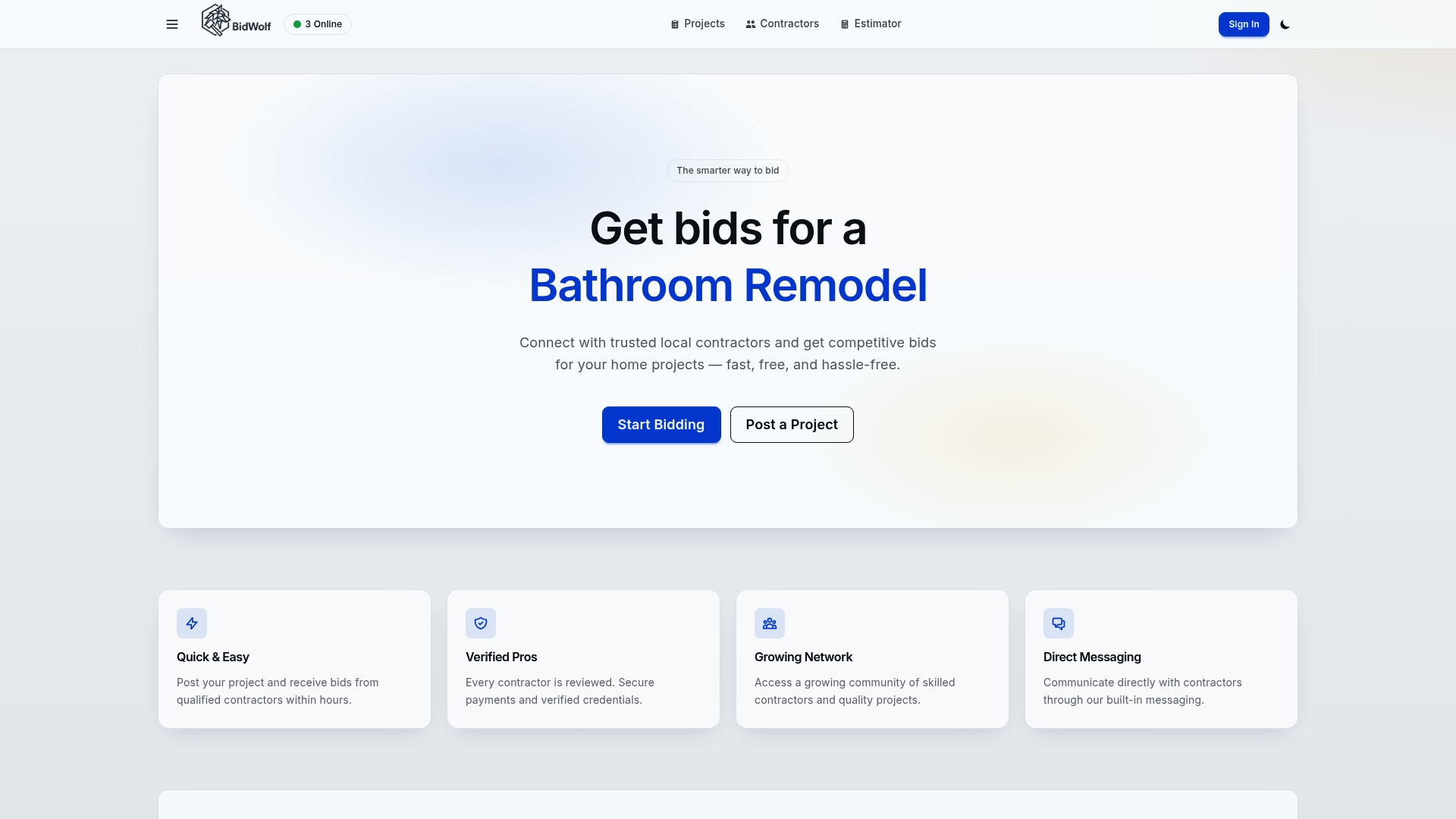
Post your project on Bidwolf’s project platform and receive competitive bids from contractors who have already been verified for licenses, insurance, and credentials. The platform’s built-in messaging lets you evaluate communication quality before you commit. Secure milestone payments protect your budget at every stage. Bidwolf serves a growing network of tradespeople across Texas, covering everything from bathroom remodels and roofing to electrical work and landscaping. If you are ready to hire with confidence, explore vetted local contractors on Bidwolf today.
FAQ
What is a vetted professional?
A vetted professional is a tradesperson who has been independently screened for valid licenses, insurance, work history, and references before being hired. Vetting confirms both qualifications and trustworthiness.
Why should homeowners use vetted professionals?
Homeowners who skip vetting face significantly higher rates of project failure, including costly rework and safety risks from unlicensed work. Structured vetting produces 3x fewer project failures than unverified hiring.
What does the 7-point vetting framework cover?
The framework covers Credentials, Portfolio, References, Communication, Test Project, Contract, and Business Stability. Skipping any single step increases the risk of project failure.
How do I verify a contractor’s license and insurance?
Contact your state licensing board directly and request proof of current insurance from the contractor’s provider. Verification takes only a few minutes and protects you from liability if something goes wrong on your property.
How does Bidwolf help with hiring vetted professionals?
Bidwolf pre-screens contractors for licenses and insurance before they appear on the platform, giving homeowners a verified starting pool. You can post a project, receive competitive bids, and communicate directly with contractors through the platform’s built-in messaging tools.