

The Role of Communication in Contractor Hiring
TL;DR:
- Effective communication during contractor hiring predicts project success and prevents conflicts. Homeowners should prioritize prompt responses, written documentation, and clear workflows to identify reliable contractors. Consistent, transparent communication practices reduce common renovation problems like delays, scope misunderstandings, and cost overruns.
The role of communication in contractor hiring is the single most reliable predictor of whether your renovation or repair project finishes on time, on budget, and without conflict. Before you evaluate a contractor’s portfolio or compare bids, how they communicate tells you everything about how they will perform. Contractors who respond promptly, document decisions in writing, and explain their change-order process upfront are statistically less likely to cause delays, disputes, or cost overruns. This guide breaks down the communication practices that separate reliable contractors from risky ones, and gives you a clear framework for evaluating and managing them from the first phone call to the final walkthrough.
What communication practices indicate a reliable contractor during hiring?
A reliable contractor treats communication as a professional obligation, not an afterthought. The way a contractor responds to your initial inquiry, explains their process, and handles follow-up questions is a direct preview of how they will manage your project. Contractors who document decisions in writing and follow up verbal discussions with written summaries demonstrate the kind of discipline that prevents disputes later.
Here are the specific communication behaviors to look for during the hiring process:
- Prompt responsiveness. A contractor who replies to your inquiry within 24 hours is signaling that they respect your time and manage their schedule. Slow initial responses almost always get slower once a project starts.
- Clear explanation of the change-order process. Ask every contractor how they handle scope changes. A reliable contractor will describe a specific, documented approval workflow. Vague answers like “we’ll figure it out” are a red flag.
- Written follow-ups after verbal discussions. Contractors who send a quick email or text summarizing what was discussed in a phone call are practicing what project managers call “closing the loop.” This habit protects both parties.
- Defined communication chain of command. On larger projects, ask who your primary point of contact will be. Will it be the owner, a project manager, or a site supervisor? Knowing this before work starts prevents confusion when decisions need to be made quickly.
- Willingness to answer detailed questions. A contractor who welcomes your questions and answers them specifically is confident in their process. One who deflects or gives generic answers may be hiding disorganization.
Pro Tip: During the hiring interview, ask the contractor: “Walk me through exactly what happens if I want to change something after work has started.” Their answer will reveal whether they have a real process or are making it up as they go.
Understanding what defines a reliable contractor goes beyond licenses and reviews. Communication habits are a hiring criterion just as important as price and experience.
How does effective communication prevent common renovation project problems?
Communication breakdowns cause project schedule slips, change orders, disputes, and cost overruns. This is not a soft observation. It is the documented result of what happens when expectations are set verbally, decisions are not confirmed in writing, and progress updates are irregular or absent. For homeowners managing a bathroom remodel or a roofing replacement, these breakdowns translate directly into money lost and timelines extended.
The four most common renovation problems that strong communication prevents are:
- Missed deadlines. When contractors do not provide regular progress updates, homeowners have no visibility into whether the project is on track. Scheduling a brief weekly check-in, even a five-minute phone call, gives you early warning of any delays before they compound.
- Unclear scope expectations. Verbal agreements about what is included in a project are the leading source of disputes. Project changes must be communicated clearly with pricing and approval in writing before work begins to avoid schedule delays and added costs.
- Uncontrolled cost overruns. When a contractor adds work without written approval, costs escalate without accountability. Requiring written change orders before any additional work starts keeps your budget in your control.
- Rework and quality disputes. When a homeowner and contractor have different mental pictures of the finished product, rework is inevitable. Detailed written specifications, reference photos, and material selections confirmed in writing before work starts eliminate most of these disagreements.
Regular reports and early owner decisions contribute directly to risk management and project success. This means the homeowner carries responsibility too. When you delay approvals or fail to respond to contractor questions, you create the same scheduling problems you are trying to avoid. Communication in a renovation project is a two-way obligation.
Documenting all changes related to scope, cost, or schedule reduces disputes and makes contractor performance measurable. Treat your written records not as bureaucracy but as your primary protection if a disagreement arises.

What communication strategies should homeowners use during contractor hiring?
Structured communication plans with defined chains of command and responsibilities before starting work reduce misunderstandings. The homeowners who experience the fewest project problems are not necessarily the ones who hired the most experienced contractors. They are the ones who established clear communication expectations before a single nail was driven.
The following strategies give you a practical framework for managing contractor communication from the hiring stage through project completion:
- Create a written communication plan before hiring. Decide in advance how often you want updates, which channel you prefer (email, text, or a project management app), and who is authorized to approve changes. Share this plan with every contractor you are seriously considering. Their reaction to it tells you a lot.
- Clarify roles and responsibilities in writing. Before work starts, confirm in writing who manages subcontractors, who orders materials, and who is your single point of contact on site. Ambiguity in roles creates gaps where problems hide.
- Confirm all key decisions and changes in writing. Verbal exchanges are fast but often forgotten, leading to confusion. After any phone call or in-person discussion where a decision is made, send a brief email summarizing what was agreed. This takes two minutes and prevents hours of dispute.
- Schedule periodic check-ins. Weekly or bi-weekly status confirmations keep both parties aligned. These do not need to be long. A structured five-minute check-in is more valuable than an hour-long meeting held only when something goes wrong.
- Use technology tools for documentation. Platforms like Bidwolf include built-in messaging that creates a timestamped record of every contractor interaction. For homeowners managing multiple bids, this kind of workflow for managing bids keeps all communication in one place and eliminates the risk of losing critical details in a text thread.
Here is a quick reference for matching communication tools to specific project needs:
| Communication Need | Recommended Tool or Method |
|---|---|
| Initial contractor outreach | Platform messaging (e.g., Bidwolf) or email |
| Change order approvals | Written email or signed change-order form |
| Daily site updates | Text message or project app with photo uploads |
| Weekly progress reviews | Scheduled phone call or video meeting |
| Final walkthrough notes | Written punch list with sign-off from both parties |
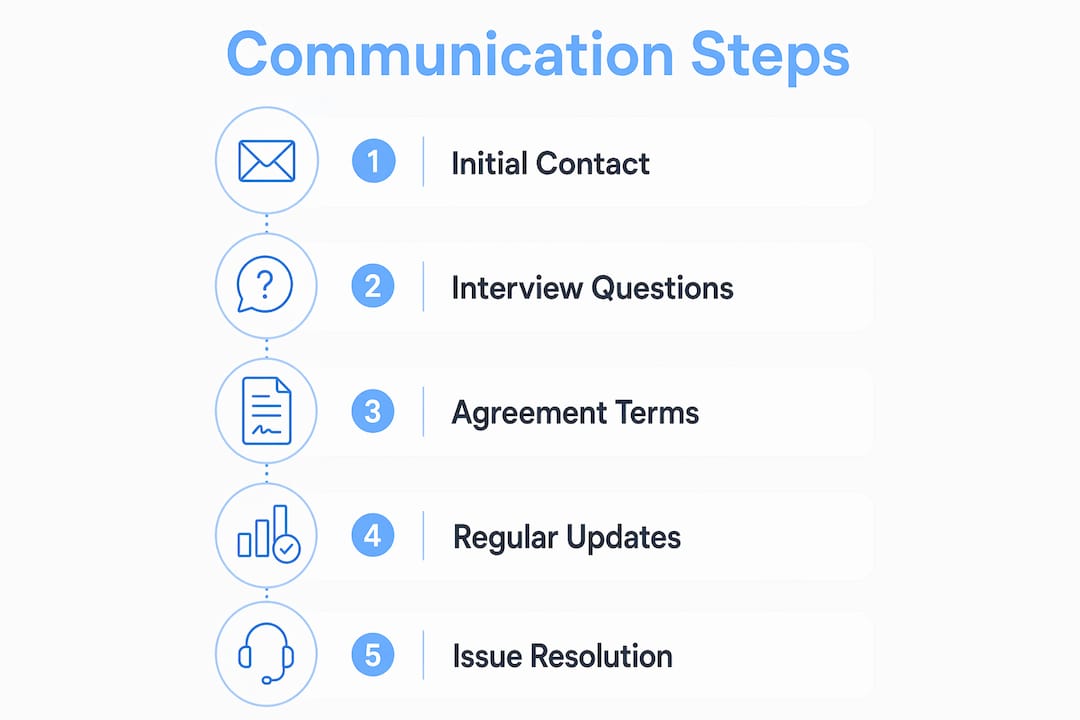
Proactive communication plans established before construction reduce misunderstandings and costly rework. Setting these expectations during the hiring phase, not after work starts, is what separates smooth projects from chaotic ones.
Pro Tip: Before signing any contract, send the contractor a one-page summary of your communication expectations. Ask them to confirm in writing that they agree. Contractors who push back on basic documentation requirements are telling you something important about how they operate.
What are the warning signs of poor communication from contractors?
Infrequent communication is often the leading cause of relationship failure between builder and client, not a single catastrophic event. The warning signs appear early, usually during the hiring process itself, and they are consistent enough to be treated as reliable predictors of project risk.
Watch for these specific red flags when evaluating contractors:
- Delayed or vague responses. If a contractor takes more than 48 hours to respond to a straightforward question during the bidding phase, that response time will not improve once they have your deposit.
- Reluctance to confirm details in writing. Contractors who treat written documentation as unnecessary or excessive are often the same ones who later claim they never agreed to something. Written workflows for decisions are a professional standard, not an unusual demand.
- Avoidance of the change-order conversation. A contractor who cannot clearly explain how they handle scope changes, or who dismisses the question, is operating without a real process. This creates serious budget and schedule risk.
- Limited availability or inconsistent contact. If you cannot reliably reach your contractor during the hiring phase, you will not be able to reach them when a decision needs to be made quickly on site.
- Overpromising without specifics. Contractors who guarantee timelines or outcomes without providing written documentation to back them up are making verbal promises that carry no accountability.
Proactive homeowners who keep independent records of key communications have stronger positions in conflicts or claims. Maintaining your own timeline of emails, texts, and meeting notes supplements contractor reports and protects your interests if a dispute arises.
Pro Tip: If you notice communication problems during the hiring phase, address them directly before signing a contract. Say: “I noticed it took several days to get a response to my last question. How do you handle communication once a project is underway?” Their answer, and their reaction to the question, will tell you whether to proceed.
For a deeper look at how to manage these conversations from the start, the homeowner-contractor communication guide on the Bidwolf blog covers the full process in practical detail.
Key takeaways
Clear, written, and consistent communication is the most reliable method for evaluating contractor reliability and preventing project failure before it starts.
| Point | Details |
|---|---|
| Communication signals reliability | How a contractor communicates during hiring predicts how they will perform on the job. |
| Written documentation prevents disputes | Confirm all scope changes, approvals, and decisions in writing before work begins. |
| Homeowners share responsibility | Delayed approvals and unclear instructions from homeowners cause the same problems as contractor silence. |
| Warning signs appear early | Slow responses, vague answers, and reluctance to document are red flags visible before you sign a contract. |
| Technology supports accountability | Built-in messaging platforms like Bidwolf create timestamped records that protect both parties throughout a project. |
Why communication is the hiring criterion most homeowners overlook
Most homeowners spend the bulk of their evaluation time comparing prices and checking online reviews. Both matter. But after years of watching renovation projects succeed and fail, the pattern is clear: the projects that go sideways almost always had a communication problem that was visible before the contract was signed. The homeowner just did not know to look for it.
The role of negotiation in contractor hiring is real, but it is secondary to communication. You can negotiate a better price from a contractor who does not document decisions, and you will likely spend that savings resolving disputes. The contractor who charges slightly more but sends written summaries after every call, explains their change-order process without prompting, and responds within a business day is almost always the better investment.
What I have found works best is treating communication as a structured evaluation category, not a vague impression. Ask every contractor the same three questions: How do you handle scope changes? Who is my point of contact on site? How often will I receive updates? Score their answers. The contractor who gives you specific, process-driven answers is the one who has managed enough projects to know why those processes matter.
Homeowners who take a proactive approach to communication, setting expectations in writing, scheduling regular check-ins, and keeping their own records, consistently report fewer surprises and better outcomes. The communication practices for Texas contractors are the same ones that work everywhere: clarity, consistency, and documentation. None of it requires special skills. It just requires treating communication as a deliberate part of the hiring process rather than something that happens on its own.
— Devin
Find and communicate with reliable contractors on Bidwolf
Bidwolf connects homeowners and property managers with vetted, local contractors who are ready to respond quickly and compete for your project.
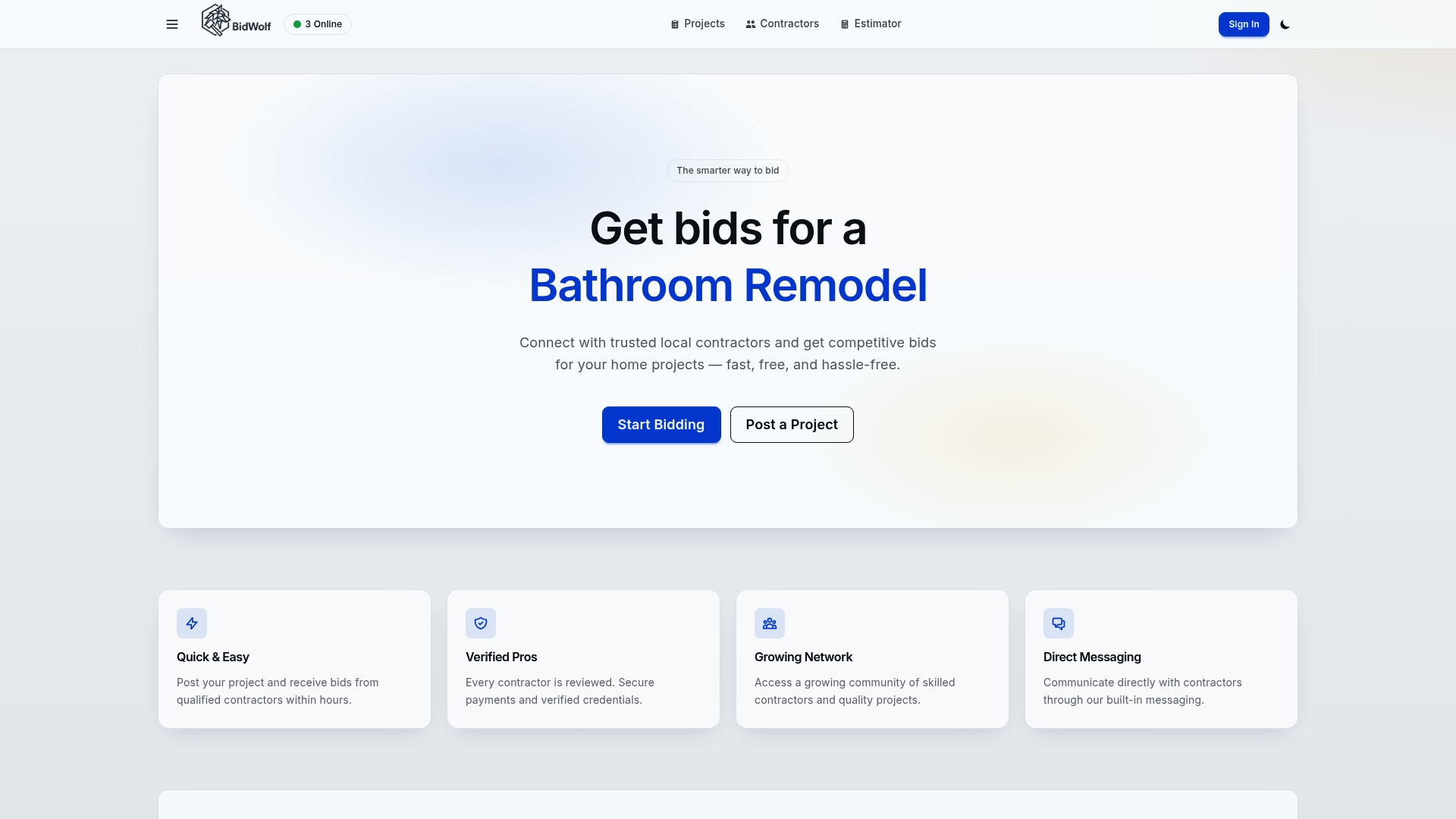
When you post a project on Bidwolf, you receive competitive bids from verified professionals and communicate with them directly through built-in messaging that keeps every conversation documented and organized. No lost texts, no forgotten phone calls. You can compare bids, review contractor credentials, and confirm all project details in one place before you commit. For homeowners who want to skip the guesswork and find local contractors who meet a professional standard from day one, Bidwolf is built for exactly that.
FAQ
What is the role of communication in contractor hiring?
Communication in contractor hiring is the process of evaluating how a contractor responds, documents decisions, and explains their workflow before you sign a contract. A contractor’s communication behavior during the hiring phase is a direct indicator of how reliably they will manage your project.
How do I communicate effectively with contractors during a project?
Confirm all decisions and scope changes in writing, schedule regular progress check-ins, and use a single communication channel so nothing gets lost. Platforms with built-in messaging create a timestamped record that protects both parties if a dispute arises.
What are the biggest warning signs of poor contractor communication?
Slow responses during the bidding phase, reluctance to put agreements in writing, and vague answers about the change-order process are the three most consistent warning signs. These behaviors visible before a contract is signed almost always intensify once work begins.
Why is written documentation important when hiring a contractor?
Documenting all changes related to scope, cost, or schedule reduces disputes and makes contractor performance measurable. Verbal agreements are frequently misremembered by both parties, and written records are your primary protection if a conflict escalates.
How often should a contractor provide project updates?
Weekly updates are the standard for most residential renovation projects. Regular reports and early owner decisions contribute directly to risk management, so establish your preferred update frequency in writing before work starts.