
Defining Local Tradespeople Networks for Texas Homeowners
TL;DR:
- Building a vetted local tradespeople network provides homeowners with reliable, licensed professionals familiar with regional building codes. Consistent verification, active community feedback, and centralized records ensure quality and accountability over time. Establishing these connections proactively saves time, reduces project delays, and supports local economies in Texas communities.
A local tradespeople network is a curated group of skilled, vetted professionals within your region who are available for home renovation and repair projects. Defining local tradespeople networks, also called contractor referral networks or local trades communities, gives Texas homeowners a clear framework for finding reliable help before a project becomes urgent. These networks differ from a random internet search because they rely on verified credentials, community accountability, and ongoing performance tracking. The Brookings Institution has documented how apprenticeship programs with local high schools and community colleges increased trades workforce enrollment by 25% over three years. That growth signals a healthier local supply of skilled workers, which directly benefits homeowners who need quality contractors fast.
What defines a reliable local tradespeople network?
A reliable local tradespeople network is built on structured vetting, not word of mouth alone. The difference between a contact list and a true network is the quality of the screening process behind each name on it.
Screening and vetting standards
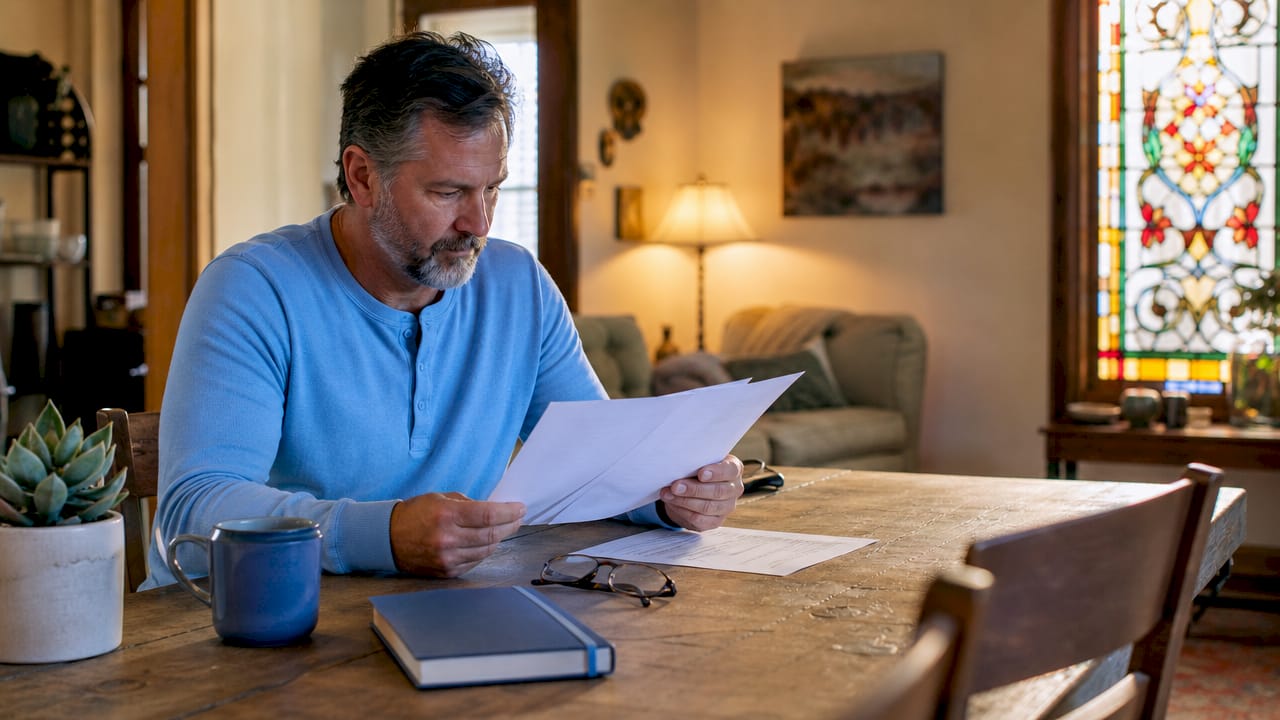
The strongest networks enforce clear entry requirements. Some curated trade directories require a minimum 3-year operating history and conduct in-person interviews before admitting a tradesperson. That standard filters out fly-by-night operators and keeps the pool focused on experienced professionals.
Verified licenses and insurance are non-negotiable. A licensed electrician in Texas must hold a license issued by the Texas Department of Licensing and Regulation (TDLR). A plumber must be licensed through the Texas State Board of Plumbing Examiners. Checking these credentials takes less than five minutes online and protects you from liability if something goes wrong on your property.
References from past clients add a third layer of confidence. Ask for two or three recent references, then actually call them. Ask specifically about timeline, communication, and whether the final cost matched the original quote.
Ongoing monitoring and community feedback
A network stays reliable only through active maintenance. Vetted networks improve safety and cost efficiency when performance is monitored and collective feedback is gathered over time. This means removing contractors who underperform and adding new ones who earn strong reviews.
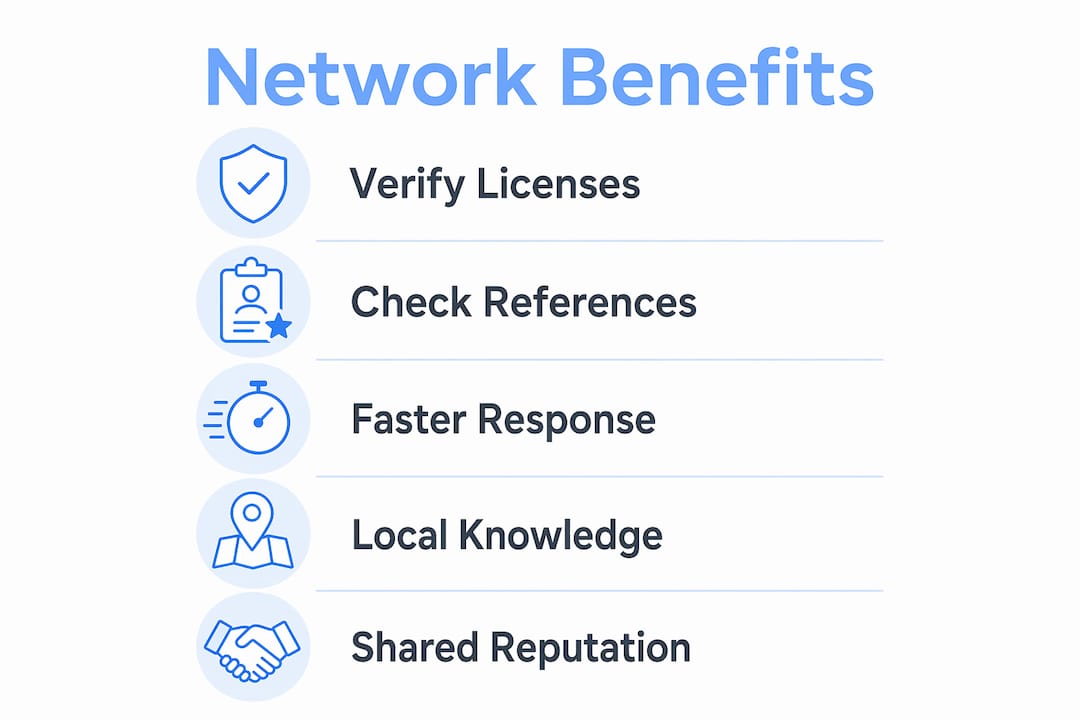
Trade associations like the Associated Builders and Contractors (ABC) Texas chapter and the Texas Association of Builders (TAB) maintain member directories with professional standards built in. These organizations require members to meet insurance, licensing, and ethics requirements, which gives their directories a baseline level of credibility.
Pro Tip: When evaluating a directory or network, ask how often it is updated and what happens when a member receives repeated complaints. A network with no removal process is just a list.
- License verification: Confirm active status through TDLR or the relevant Texas licensing board.
- Insurance confirmation: Request a certificate of insurance naming you as an additional insured for the project duration.
- Reference checks: Contact at least two recent clients and ask about cost accuracy and communication.
- Association membership: Prioritize contractors who belong to ABC Texas, TAB, or a recognized trade guild.
- Continuous feedback: Use your own project notes and community group feedback to keep your network current.
How do local tradespeople networks benefit homeowners and the community?
Local trades networks deliver benefits that go well beyond convenience. They affect your project quality, your wallet, and the economic health of your Texas community.
Faster response and local knowledge
A local contractor knows your area’s soil conditions, building codes, and common structural challenges. A plumber who has worked in Houston’s older neighborhoods understands the clay soil expansion that stresses pipes. A roofer based in San Antonio knows which materials hold up against the region’s hail patterns. That local knowledge reduces errors and callbacks.
Response time is also faster. A contractor based 10 miles away can assess an emergency roof leak the same day. A national service dispatch may take 48–72 hours to route someone to your address.
Accountability rooted in reputation
Local tradespeople maintain accountability because their reputation directly drives their long-term business success. A contractor who cuts corners in a tight-knit Texas community will lose referrals fast. That social pressure creates a quality incentive that no contract clause can fully replicate.
This accountability works both ways. When you hire locally, you can reach the contractor through mutual contacts if a dispute arises. That social layer of accountability is largely absent when you hire through a national call center.
Economic and workforce benefits
Money spent with local contractors stays in the local economy. It pays local wages, funds local suppliers, and supports local tax bases. Investing in trades education sustains long-term community livability and economic health by keeping work and wages circulating locally. For Texas cities like Austin, Dallas, and El Paso, that circulation supports housing affordability and public services.
Local service cooperatives reduce startup costs for small trades businesses by up to 35%. Lower startup costs mean more small contractors can enter the market, which increases competition and keeps your project bids competitive.
“Local trades networks are vital for regional economic stability by supporting local employment, housing markets, and public services. When communities invest in their local tradespeople, they build resilience that protects homeowners and neighborhoods alike.”
- Faster project timelines: Local contractors respond quicker and require less travel time, reducing project delays.
- Higher accountability: Reputation-driven markets push local tradespeople to deliver consistent quality.
- Economic retention: Spending locally keeps wages and tax revenue circulating within Texas communities.
- Workforce growth: Apprenticeship programs tied to local networks increase the skilled labor supply over time.
- Better code compliance: Local contractors know Texas-specific building codes and permit requirements by experience.
For more on how engaged local networks affect Texas homeowners specifically, the role of local networks in contracting is worth reading before you start your next project.
How to connect with tradespeople and build your personal network
Building your own local contractor network takes deliberate effort, but the payoff is a reliable resource you can use for years. The process starts with gathering leads and ends with a structured, living document.
Starting points for finding local tradespeople
Your first sources should be community-based. Nextdoor neighborhood groups, local Facebook community pages, and HOA bulletin boards generate real referrals from neighbors who have direct experience with contractors. These leads carry more weight than anonymous online reviews because the recommender is identifiable and accountable.
Local hardware stores are an underrated resource. Staff at independent lumber yards and plumbing supply houses interact with working tradespeople daily. They know who buys quality materials and who cuts corners on supplies. A quick conversation at a local supply counter can surface names that never appear in online searches.
Texas-specific resources include the TDLR contractor lookup tool, the Texas Contractors Association directory, and county permit records. Permit records show which contractors are actively pulling permits in your area, which is a strong signal of legitimate, code-compliant work.
Pro Tip: Search your county’s permit database by trade type and zip code. Contractors who consistently pull permits are operating above board and are far less likely to create liability problems for you.
Verifying and cross-referencing leads
Online community recommendations should be treated as leads, not endorsements. Active license and reference verification are the essential next steps after any recommendation. Verify the license status, check the insurance certificate, and call at least two references before adding anyone to your network.
Cross-reference Google reviews with the Better Business Bureau (BBB) profile and any complaints filed with TDLR. A contractor with strong Google ratings but an unresolved BBB complaint warrants a direct conversation before you hire them.
Understanding home repair trends in your area also helps you prioritize which trades to recruit into your network first. If kitchen and bathroom remodels are driving property value in your neighborhood, locking in a reliable tile setter and plumber early makes sense.
Building and maintaining a centralized record
A centralized personal directory of local tradespeople with detailed notes turns scattered contacts into a powerful asset for project planning and emergencies. A simple spreadsheet works well. Track the contractor’s name, trade, license number, insurance expiration date, contact information, and notes from each project.
| Field | What to record |
|---|---|
| Trade and specialty | Plumber, electrician, roofer, HVAC, general contractor |
| License number | Active license ID from TDLR or relevant Texas board |
| Insurance expiration | Date the certificate of insurance expires |
| Last project date | When you or a neighbor last used this contractor |
| Performance notes | Timeline accuracy, communication quality, cost adherence |
Review and update this record at least once a year. Remove contractors who have let their license lapse or who received poor feedback. Add new names as your community generates fresh referrals. A living document beats a static list every time.
For a detailed walkthrough of finding local tradespeople in Texas, Bidwolf’s homeowner guide covers verification steps and local resources in depth.
What are the key challenges in defining local tradespeople networks?
Local trades networks are not perfect systems. Knowing their limitations helps you use them more effectively and avoid costly mistakes.
The limits of online reviews
Online reviews are a starting point, not a verdict. Platforms like Google and Yelp allow contractors to request reviews from satisfied clients, which can skew ratings upward. A contractor with 50 five-star reviews may still have unresolved complaints filed with TDLR or the BBB. Reviews also rarely capture license status, insurance coverage, or code compliance, which are the factors that protect you legally.
Geographic service area gaps
Not every trade is equally represented in every Texas market. Rural areas outside Houston, San Antonio, or Dallas may have limited options for specialized trades like HVAC technicians or structural engineers. In those markets, you may need to expand your geographic radius or accept longer lead times. Knowing this gap in advance lets you plan project timelines realistically rather than being surprised mid-project.
Balancing convenience with thorough vetting
Speed and thoroughness pull in opposite directions. When a pipe bursts at 10 PM, you need someone fast. That urgency can push homeowners to skip verification steps and hire whoever answers the phone. The solution is to build your network before emergencies happen. A pre-vetted list of licensed plumbers means you can call with confidence even under pressure.
- Do not rely on reviews alone: Cross-check every lead against TDLR records and the BBB before hiring.
- Map your service area: Identify which trades are scarce in your zip code and recruit those contractors proactively.
- Vet before you need: Build your network during calm periods so you are not rushing verification during a crisis.
- Reassess annually: License expirations, insurance lapses, and business closures happen. Update your records every year.
- Watch for geographic drift: A contractor who lists your city but operates primarily 60 miles away may not prioritize your project.
The role of verified tradespeople in home projects explains how quality screening reduces these risks in practice.
Key Takeaways
A reliable local tradespeople network requires active vetting, centralized documentation, and ongoing community feedback to deliver consistent quality and protect Texas homeowners from costly mistakes.
| Point | Details |
|---|---|
| Vetting is non-negotiable | Verify licenses, insurance, and references before adding any contractor to your network. |
| Local accountability matters | Reputation-driven markets push local tradespeople to maintain higher standards than anonymous hires. |
| Centralize your records | A structured spreadsheet with license numbers and performance notes turns contacts into a reliable resource. |
| Economic impact is real | Hiring locally keeps wages and tax revenue circulating within Texas communities and supports workforce growth. |
| Build before emergencies | A pre-vetted network lets you act quickly and confidently when urgent repairs arise. |
Why I think most homeowners build their network the wrong way
Most homeowners treat contractor selection as a one-time event. They need a roofer, they search online, they pick someone with decent reviews, and they move on. That approach works until it doesn’t, and when it fails, it fails expensively.
What I have observed is that the homeowners who get the best results treat their contractor network the way a small business treats its vendor relationships. They invest time upfront, they document everything, and they stay in contact even between projects. A quick check-in call after a job, a note about how the contractor handled a permit issue, a referral passed along to a neighbor. These small actions build the kind of mutual loyalty that gets your call returned first when everyone in the city needs a plumber after a freeze.
The other mistake I see is over-relying on digital platforms without doing the offline work. Technology is a great starting point, but the strongest local networks still run on personal relationships. The contractor who knows your house, your neighborhood, and your standards is worth more than the cheapest bid from a stranger.
Texas homeowners have a real advantage here. The state’s size means local trades communities are often tight-knit, especially outside the major metros. That social fabric is an asset. Use it by attending local home improvement workshops, joining neighborhood associations, and asking your neighbors directly who they trust. The best referral you will ever get comes from someone who has already been through what you are about to face.
Technology and community resources work best together. Platforms like Bidwolf help you find verified contractors quickly, but your personal network of trusted tradespeople is the safety net that catches you when speed matters most.
— Devin
How Bidwolf connects Texas homeowners with verified local contractors
Texas homeowners who want a faster path to a vetted local contractor network can use Bidwolf to post projects and receive competitive bids from license-verified professionals across the state.
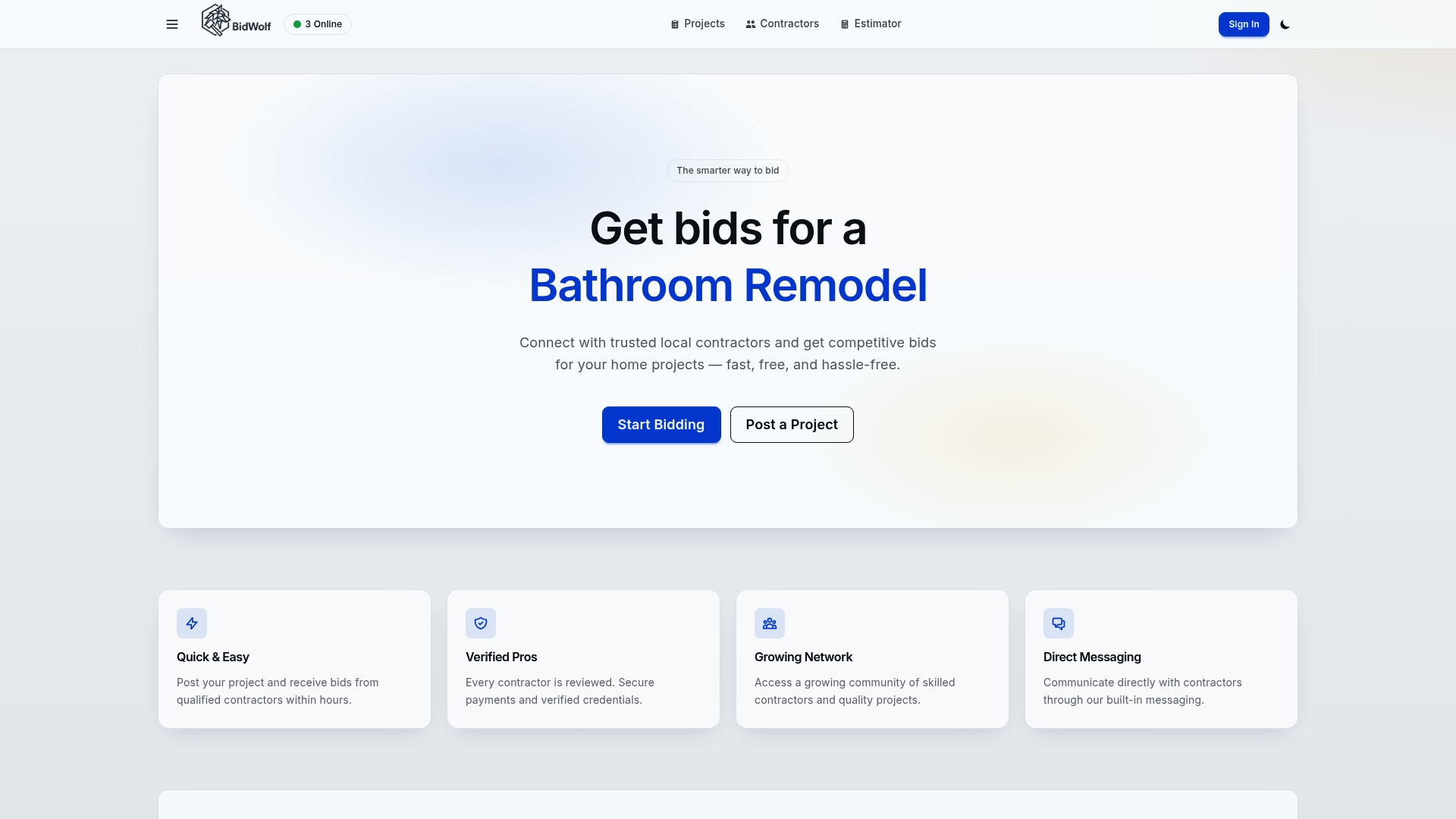
Bidwolf’s platform screens contractors before they join the network, checking credentials and insurance so you do not have to start from scratch. You post your project, whether it is a bathroom remodel, roof repair, or electrical upgrade, and local contractors respond with bids you can compare side by side. Built-in messaging keeps all communication in one place. Bidwolf’s mobile app lets you manage bids and contractor conversations from anywhere. Post your project today, or browse the local contractor directory to find verified tradespeople near you in Texas.
FAQ
What is a local tradespeople network?
A local tradespeople network is a curated group of vetted, licensed contractors within your region who are available for home renovation and repair projects. It differs from a random contractor search because it relies on verified credentials, community accountability, and ongoing performance tracking.
How do I verify a contractor’s license in Texas?
Check the Texas Department of Licensing and Regulation (TDLR) online lookup tool for most trades, or the Texas State Board of Plumbing Examiners for plumbers. Both databases are free, publicly accessible, and show current license status in real time.
Why are local contractors better than national services for Texas homeowners?
Local contractors know Texas-specific building codes, regional material requirements, and local permit processes. They also respond faster and carry stronger accountability because their reputation depends on the community they work in every day.
How often should I update my contractor network records?
Review and update your contractor records at least once a year. Check that licenses are still active, insurance certificates have not expired, and that performance notes reflect any recent work done by you or neighbors in your community.
What is the best starting point for building a local trades network in Texas?
Start with community sources like Nextdoor groups, local Facebook pages, and county permit databases. Cross-reference every lead with TDLR license records and BBB profiles before adding anyone to your personal network.